

Every evening, just as the sun dips below the horizon and the living room fills with soft, golden shadows, a familiar ritual begins. My little one crawls onto my lap, clutching a well-worn, dog-eared picture book with sticky fingers, and looks up at me with wide, expectant eyes. “Read it again, Mommy?” he asks. In that quiet, unassuming moment, we aren’t just looking at colorful pages. We are embarking on a journey into a world of imagination, emotion, and discovery.
Like many parents, I used to think that “reading” was a milestone achieved only when a child starts formal school. But as I’ve learned more about early childhood development and spent countless hours sharing stories, I’ve come to realize that the foundations of literacy begin long before kindergarten.
Today, I want to talk about something incredibly close to my heart: the profound benefits of early literacy. It’s not just about learning the ABCs; it’s about nurturing a child’s mind and soul from the very start.

Nội dung bài viết
What Do We Mean by Early Literacy?
When we talk about early literacy, it sounds like an educational term reserved for teachers or academics. But at home, it simply means the playful interactions and skills that help young children understand reading, writing, and how those concepts connect to the world around them.
According to the American Academy of Pediatrics, activities like singing songs, pointing at pictures, and having simple, engaging conversations are absolutely critical in spurring the type of brain development that leads to literacy. Yet, statistics show that many children begin kindergarten without the basic building blocks they need to learn to read.
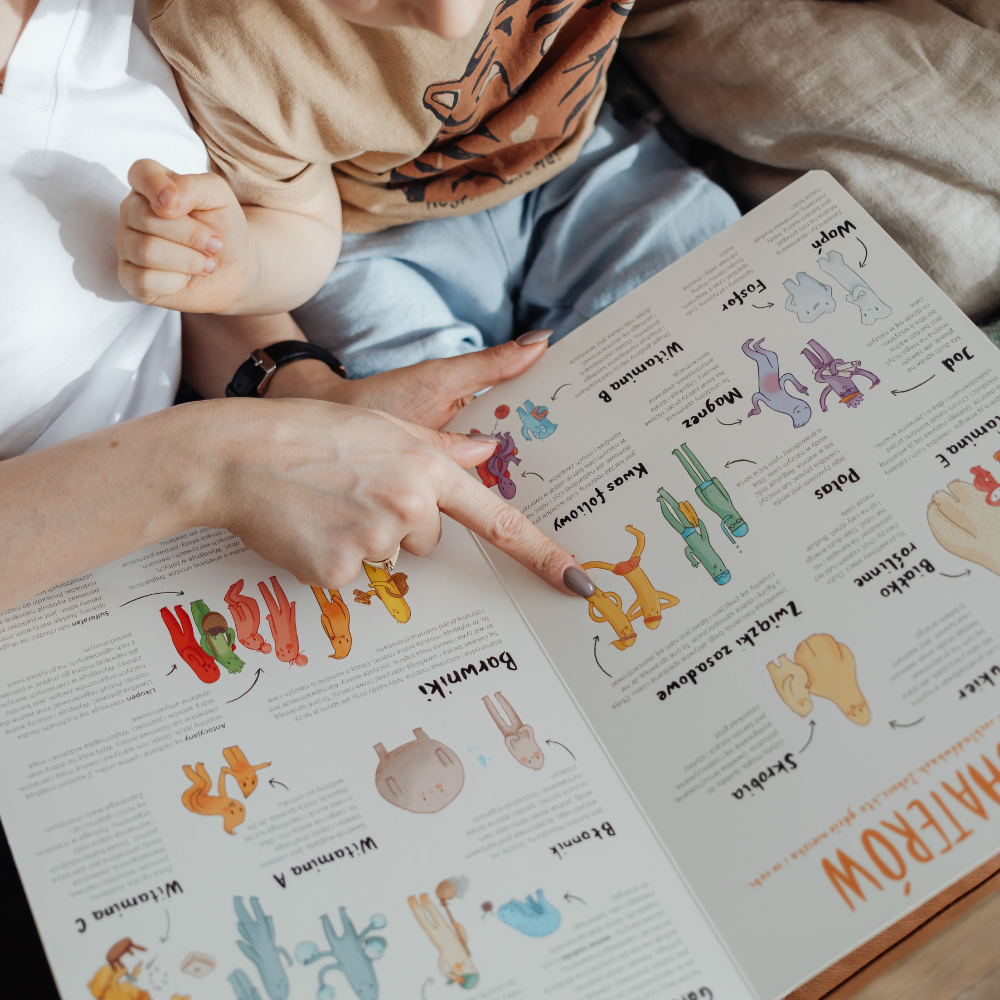
When we flip through the pages of a botanical-themed book, or trace our fingers along minimalist line art, or even read a silly story about animals, our children are taking in the rhythm and structure of language. It is these early, informal moments that pave the way for formal learning later on.
(View more: My child’s favorite book: The plannets)
The Six Building Blocks of Literacy
Researchers and experts often break down early literacy into a few key facets that help predict a child’s future learning success. You don’t need to quiz your child on these; they develop naturally through play and storytelling:
-
Alphabet knowledge: Recognizing letters and shapes.
-
Phonological awareness: Hearing the different sounds within words.
-
Phonological short-term memory: Remembering and recalling sounds.
-
Rapid naming: Quickly recognizing objects, colors, and letters.
-
Writing or mark-making: Scribbling on paper, which is the precursor to writing a name.
Seeing my little one try to draw a circle or “write” a letter on a shopping list gives me a glimpse into how their brain processes language.
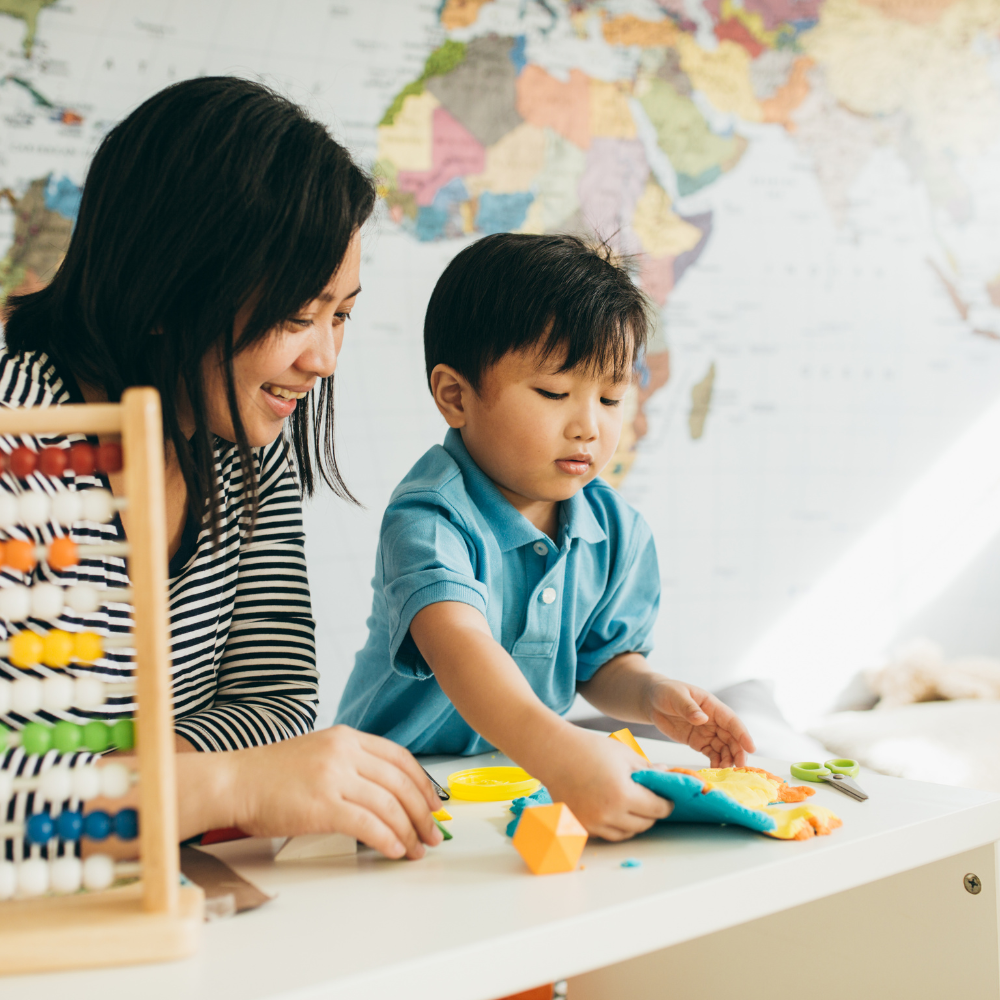
5 Benefits of Early Literacy That Changed My Perspective
Promoting early literacy brings positive changes that ripple through every aspect of a child’s life. Here are five benefits that I’ve seen firsthand in our daily lives:
1. Establishing a Foundation for Learning
No matter what subjects our children will study in the future—whether it is science, art, or mathematics—the cognitive development fostered by early literacy creates a strong foundation. Reading and exploring stories helps the brain make connections, process information, and develop critical thinking.
2. Developing Stronger Bonds
In our busy, fast-paced world, sitting together with a book is a wonderful way to slow down. The quiet intimacy of reading to your child strengthens your emotional bond. These moments of connection create a safe, comforting environment that encourages a child to grow and explore with confidence.
3. Improving Communication Skills
Through everyday reading and conversations, children expand their vocabulary. It gives them the words they need to express their complex thoughts and feelings. I still remember the time my toddler used a word he learned from a storybook to describe how he was feeling—it was a truly heartwarming moment!
4. Strengthening Social and Emotional Skills
Literature introduces children to a wide spectrum of emotions and social scenarios. When we talk about how a character feels in a story, we are teaching our children empathy and emotional awareness. They learn to understand the feelings of others and how to navigate their own emotions in healthy ways.
5. Promoting Broader Social Outcomes
The benefits extend beyond the individual child. Research and community reports emphasize that early literacy interventions can create more equitable social outcomes, setting the stage for lifelong success and well-being.

Simple Ways to Promote Early Literacy at Home
You don’t need a degree in education or expensive tools to cultivate these skills. In our home, we incorporate literacy into our daily routine through simple, joyful activities:
-
Shared Reading: We don’t just read the words on the page; we talk about the pictures. “Can you find the yellow flower?” or “What do you think happens next?” This turns reading into an interactive conversation that builds analytical skills.
-
Mark-Making and Scribbling: I keep a botanical notebook nearby for both of us. While I write my notes or daily plans, I give him a few crayons to scribble. These simple marks are the first step toward writing.
-
Incorporating Music and Movement: Singing simple nursery rhymes and clapping out rhythms helps children tune into the rhythm of language, which makes reading much easier later on.
-
Talking Throughout the Day: Simply describing what you see on a walk—the shapes of leaves, the colors of cars, or the sounds of the wind—is one of the most powerful tools for vocabulary building.
The Gift of a Lifetime

Developing early literacy skills doesn’t have to be a rigid or stressful task. It is about sharing moments of joy, discovery, and connection. As parents, caregivers, and guides, we hold the key to opening up a world of learning for our little ones.
Whether you are dreaming of helping your child discover a love for books or simply enjoying the quiet moments of the evening ritual, every story read and every word shared leaves a lasting impact.
What about you? How do you weave literacy into your daily routine with your little ones? Let me know in the comments below!
Read more: The Power of Positive Parenting: What I’ve Learned as a Mom of 3