

Becoming a new mom is one of the most rewarding yet challenging experiences you’ll ever go through. As a mother of three young children, I’ve had my fair share of ups and downs. Whether it’s your first baby or you’re welcoming your second or third, parenting is a journey that comes with both beautiful moments and tough times. In this post, I’ll share some helpful parenting tips for new moms that have made life a little easier for me, especially during those first few months.

Nội dung bài viết
1. In the Hospital: Make the Most of Your Time
When you’re in the hospital after giving birth, it can be overwhelming. You’ll be in pain, exhausted, and trying to figure out how to take care of your newborn. Here’s where you can make life easier for yourself:
-
Sleep Whenever You Can: I know it sounds obvious, but the hospital is the one place where you can rest. Take advantage of the time to get some much-needed sleep, especially when your baby is being taken care of by the nurses or your relatives.
-
Get Help: If possible, arrange for someone to help watch your baby so you can rest. It could be your partner, a family member, or a trusted friend. You need your energy to care for yourself and your little one once you head home.
-
Organize Baby’s Things: Trust me – during the first few days, you’ll be in pain and won’t be able to grab things from across the room. Arrange your baby’s essentials in a basket and try your best to get them organized. I saw my mom go through my basket quite confused just to get the diaper. So, keep the things you will use most often on top (diapers, towels) so that family members or nurses can help you easily.
-
Skin-to-Skin: This is one of the most beautiful bonding experiences. Try to take some quiet moments to enjoy skin-to-skin contact with your baby. It will help you both connect, and it has great benefits for your baby’s development too.

2. When You Get Home: Prepare for the Big Transition
Bringing your baby home is an exciting moment, but it also means you’ll need to make your home baby-friendly.
-
Clean and Organize Your Space: Before you arrive home, make sure your living space is ready. A clean and organized space will help ease your transition. Have a designated area for the baby’s essentials like their crib, changing table, and feeding station. A clutter-free environment can help you stay calm during the busy moments. I have a bookshelf and I used a long shelf to store baby’s visible items for quick access when needed such as diapers, formula milk, baby wipes, towels, clothes…This is a tip to organize your space a little.
-
Family Help: If relatives want to visit and help, ensure they’re healthy and not coming down with any illness. Also, make sure your baby is on track with vaccinations as recommended by your pediatrician.

3. How to Handle Your Baby: The First Month Essentials
Handling a newborn can be nerve-wracking for new moms, but with a little practice, you’ll get the hang of it. Here are some key tips:
-
Wash Your Hands: This one is crucial. Always wash your hands before handling your baby to prevent germs from spreading. You’ll also want to ensure anyone else who handles your baby does the same.
-
Support Baby’s Head and Neck: Babies have weak neck muscles in the beginning, so always support their head and neck when picking them up. Hold them horizontally, with their head supported in the crook of your arm.
-
Never Shake Your Baby: This is one of the most important things to remember. Shaking a baby can cause serious brain injury. Be gentle and handle your baby with care.
-
Feeding Your Baby: In the first month, try to breastfeed your baby every 2-3 hours, depending on their needs. Watch for signs of hunger, like sucking on their hands or smacking their lips.
-
Create a Balanced Environment: Newborns need a quiet but not completely silent environment. A fan or gentle white noise can help soothe them, but too much noise or silence may be unsettling.
-
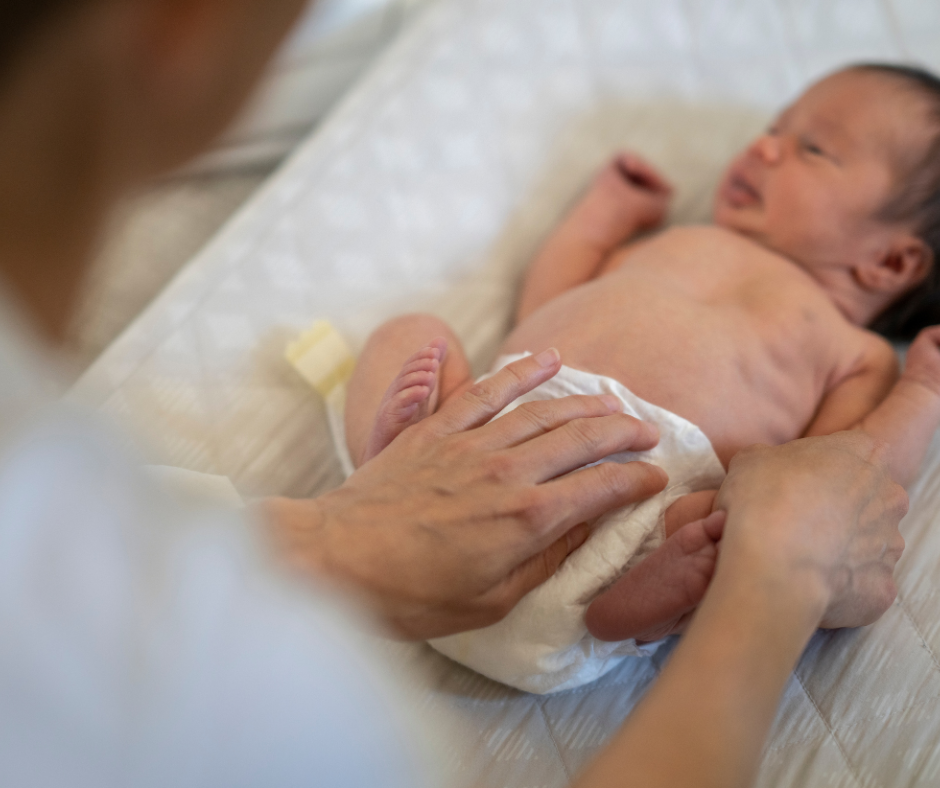
Swaddle and Diaper: Swaddling can be soothing for newborns, as it mimics the cozy feeling of the womb. When changing diapers, make sure to wipe thoroughly, especially in the diaper area to prevent rashes. Bath time can be fun and soothing, just ensure the water temperature is right—neither too hot nor too cold (around 40 degrees Celsius)
4. Understanding Your Baby’s Needs: Full, Hungry, or Burping?
In the early weeks, it’s important to understand when your baby is hungry, full, or needs to burp.
-
Hunger Cues: If your baby is rooting around, sucking their hands, or making lip-smacking sounds, they’re likely hungry. Don’t wait too long to feed them!
-
Full Cues: If your baby pushes away from the breast or bottle, or if they start falling asleep during the feed, they may be full. Trust your baby’s cues.
-
Burping: After each feed, be sure to burp your baby to release any air trapped in their stomach. This will help prevent gas and discomfort. When lifting your baby to burp, remember to support the head and neck. This can be difficult at first, but you could watch an experienced nurse and practice with the utmost care.

5. Parenting tips for new moms: Keep an Eye on the Baby’s Surroundings:
One of the scariest things new parents face is the risk of sudden infant death syndrome (SIDS). While the cause is still unknown, there are steps you can take to reduce the risk:
-
Sleep Safely: Always place your baby on their back to sleep, on a firm mattress. Avoid placing pillows, blankets, or stuffed animals in the crib, as these can pose a suffocation risk.
-
Room-sharing: It’s recommended to have your baby sleep in the same room as you for the first six months. But make sure your baby has their own sleep space.
-
Temperature Control: Keep the room at a comfortable temperature, avoiding overheating. Dress your baby in light layers to prevent them from getting too hot.
Parenting is an exciting yet demanding journey, and it’s okay to ask for help. These parenting tips for new moms are just a starting point, and every baby is unique. Over time, you’ll get to know your baby’s specific needs, and you’ll find your rhythm. Remember, it’s okay not to have everything figured out – take each day as it comes, and most importantly, enjoy the precious moments with your newborn!