

Summer days are meant for sound of laughter, running around outdoors, and endless family memories. But in our household, as soon as the school year ended and free time opened up, a quiet battle began brewing. My kids, like so many children today, were drawn to screens like moths to a flame. Video games and online videos quickly became their default escape whenever they had a spare moment.
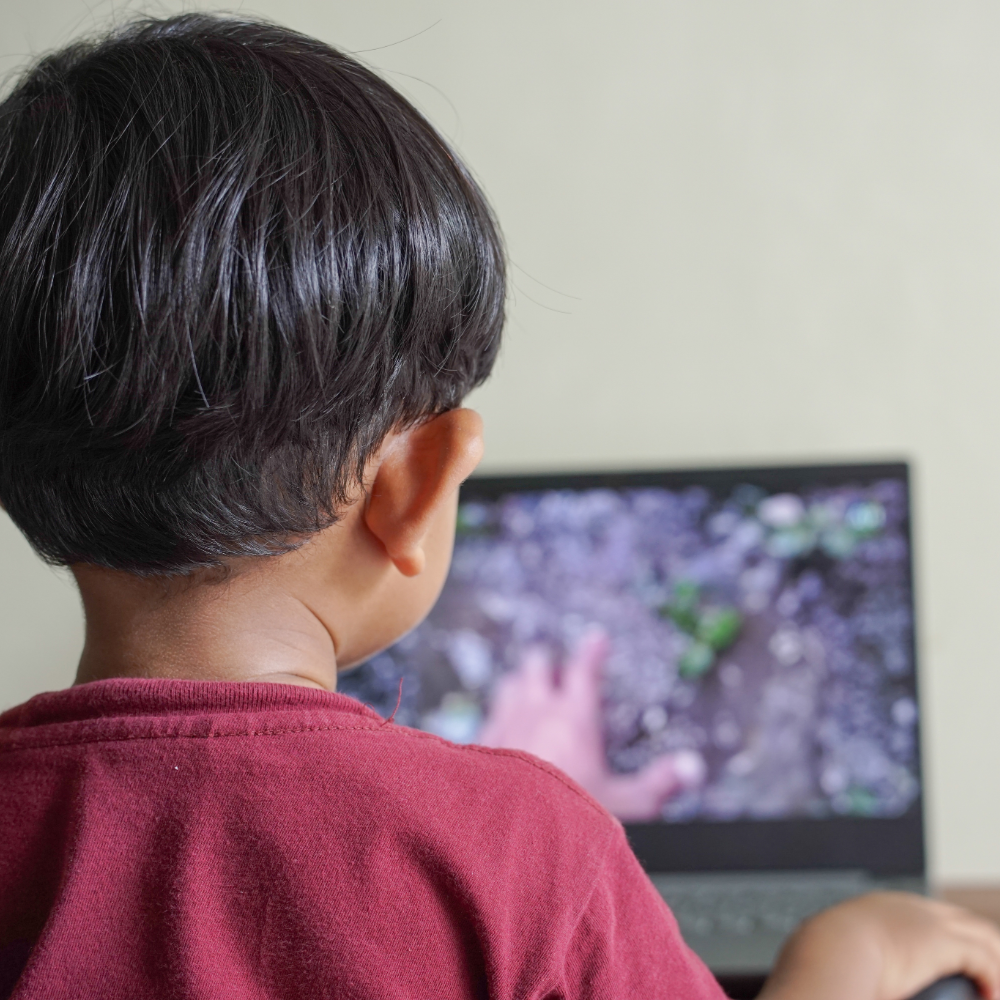
At first, it seemed harmless—a convenient way for them to relax. But soon, I began noticing a worrying shift. When a video game ended in defeat or when screen time was cut short, tears, intense outbursts, and sudden irritability followed. As a mother, a wave of deep anxiety washed over me. Is all this screen time altering my children’s emotional health? Are they losing their ability to process frustration naturally? Is constant digital stimulation warping their cognitive development?
If you have ever felt this exact knot of worry in your stomach while watching your child stare at a glowing device, please know that you are far from alone.
Nội dung bài viết
What the Research Shows: A Shared Struggle
When I began reading into the topic to see how other families handle these challenges, the numbers confirmed what so many of us feel daily.
According to a study by the Pew Research Center, digital devices have become an inescapable part of growing up, with smartphones, tablets, YouTube, and now AI chatbots integrated into family routines. While most parents actively try to set boundaries, 42% of parents report feeling that they could be doing a better job managing their kids’ screen time. It highlights a universal truth: setting screen limits is tough, but holding them consistently without constant friction is even tougher.

This challenge gets worse during the summer. Without school routines and with so much free time, kids naturally spend a lot more time on screens. When children spend too many unmonitored hours on devices, they move less, sleep poorly, and get upset much more easily. Without daily structure, the line between helpful technology and harmful screen addiction quickly disappears.
Struggling to Find a Balance
For months, I tried every standard piece of advice I could find. I set strict kitchen timers, hid tablets, and argued. None of it worked in the long run. Timers only created anxiety as the clock ticked down, and turning off the TV cold turkey led to tears and resentment.
I didn’t want our home to feel like a constant battleground. Nor did I want to ban technology entirely—after all, digital literacy is essential for their future. I needed a solution that would teach my children self-regulation, personal responsibility, and the true value of earned privileges.

Our Breakthrough: The 100-Point Task System
After much trial and error, I created a simple, visual Point System that transformed screen time from an automatic entitlement into a reward earned through positive daily habits.
Instead of shouting “turn off the TV now,” we established a simple rule: To unlock 1 hour of screen time (whether for video games or watching videos), my kids need to accumulate 100 points.
Points are earned by completing daily responsibilities, helping around the house, reading, and staying physically active. Here is how our point menu looks in practice:
-
Sweeping or mopping the living room: 20 points
-
Washing the dishes after meals: 20 points
-
Reading a book chapter or writing practice: 25 points
-
Playing nicely or reading to a younger sibling: 15 points
-
Going for an outdoor run or physical exercise: 20 points
-
Completing daily summer review worksheets: 20 points
Or, whenever they achieve something special at school—like winning ‘Student of the Week’ or ‘Student of the Month’—they get a bonus hour of gaming time.
Why This System Changed Everything

The transformation in our home was almost immediate:
-
Clear Ownership: The kids no longer view screen time as something mom arbitrary grants or takes away. They realize that their digital entertainment is directly tied to their own choices and effort.
-
Productive Engagement First: Before reaching 100 points, they have already helped around the house, exercised, read, and interacted with family. Their actual screen time reduced naturally because their day was already filled with meaningful real-world activities.
-
Zero Meltdowns & Better Planning: Through observation, I noticed my kids actually learned to plan their day and divide their tasks strategically to hit exactly 100 points. Not 90, and certainly not 110 points—just the perfect, calculated 100! That sharp focus on efficiency is so typical of kids, but it taught them time management and goal-setting naturally. Plus, because screen time is intentionally earned and scheduled, stopping when the hour expires is no longer a shock or a penalty.
Supporting Policy Changes for a Safer Digital Future

Home rules like our point system are great, but parents can’t do it all alone—especially as kids grow up and face social media pressure, addictive algorithms, and online risks.
This is why I strongly support government laws that restrict or set age limits on social media for kids under 16. Just like we have age limits for driving to keep teens safe, we need legal boundaries to protect young minds online. When strong parenting at home goes hand in hand with smart laws from the government, our children have the best chance to grow up healthy and safe.
Final Thoughts
I know every family is different, and there’s no single “right” way to handle tech. This point system just happened to bring a bit of peace back to our days. If you’re feeling overwhelmed by screens lately, give it a shot—or adapt it to fit your own kids! We’re all in this parenting journey together.
Read more: How to Overcome Mom Guilt: A Compassionate Guide to Feeling Enough